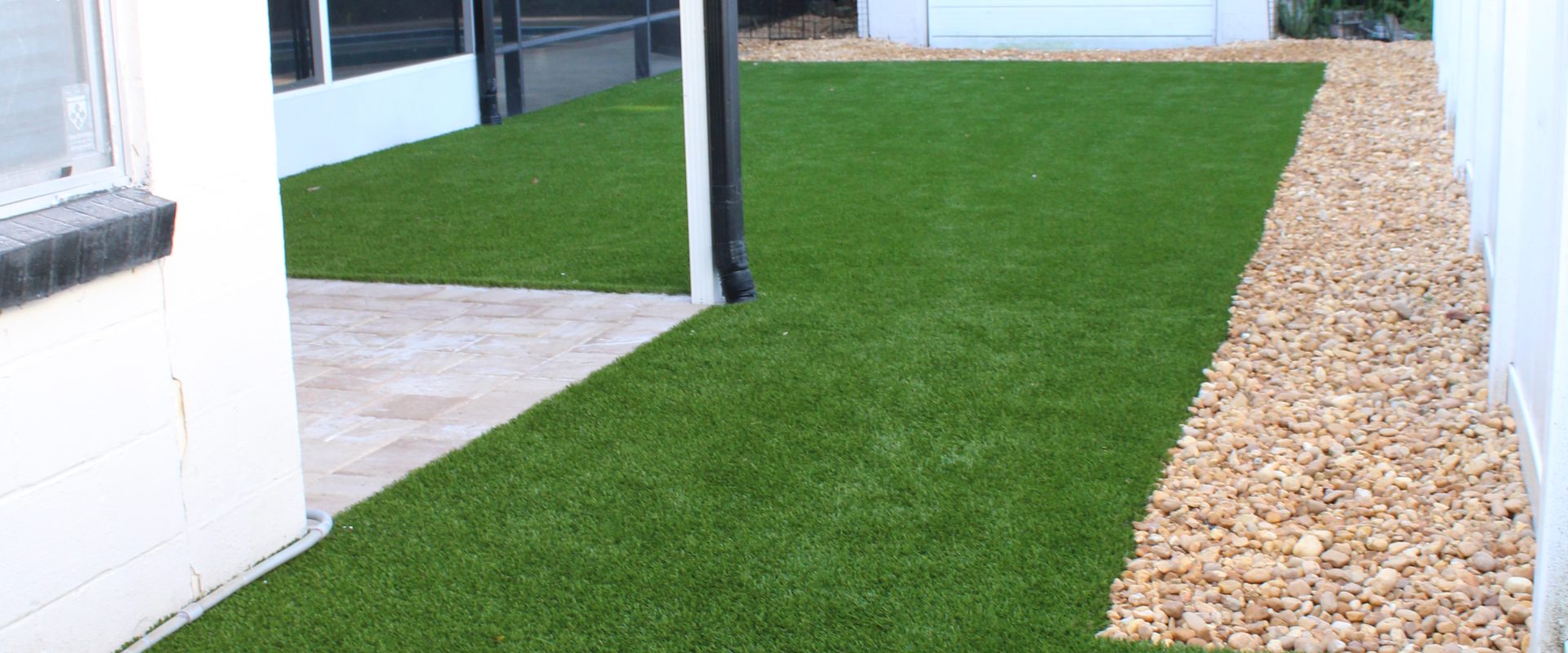
Artificial turf has come a long way from the stiff, bright-green surfaces many people remember from years ago. Today’s products are more realistic, more durable, and more versatile than ever, making them an increasingly popular choice for homeowners looking to reduce maintenance and enjoy a beautiful lawn year-round.
But is artificial turf the right solution for your property?
The answer depends on your goals, lifestyle, budget, and how you use your outdoor space. Before making a decision, it’s important to understand both the advantages and the potential drawbacks.
The Benefits of Artificial Turf
Low Maintenance
One of the biggest reasons homeowners choose artificial turf is the dramatic reduction in lawn maintenance. There’s no mowing, watering, fertilizing, edging, or weed control required. Instead, occasional rinsing and brushing are typically enough to keep the surface looking its best.
For busy homeowners, vacation properties, or anyone tired of spending weekends on lawn care, artificial turf can be a major time-saver.
A Green Lawn All Year Long
Natural grass can struggle with drought, shade, heavy foot traffic, and seasonal weather changes. Artificial turf maintains a consistent appearance regardless of the season, helping your landscape look neat and attractive year-round.
Water Savings
Because artificial turf doesn’t require irrigation to stay green, many homeowners see significant reductions in water usage. This can be especially beneficial in areas with water restrictions, rising utility costs, or frequent drought conditions.
Durable for Kids and Pets
Artificial turf performs well in high-traffic areas where natural grass often wears thin. It can withstand active children, pets, and frequent use without turning into mud or developing bare patches. Many pet owners also appreciate the cleaner, mud-free environment.
Long Lifespan
Quality artificial turf can last 15 to 20 years or more when properly installed and maintained, making it a long-term landscaping investment.
The Drawbacks to Consider
Higher Upfront Cost
While artificial turf can reduce long-term maintenance expenses, the initial installation cost is significantly higher than installing sod or seeding a lawn. Professional site preparation and installation are essential for the best results.
It Can Get Hot
One of the most common concerns with artificial turf is heat retention. In direct sunlight, synthetic surfaces typically become hotter than natural grass. While newer products and cooling technologies have improved performance, heat is still an important consideration for Florida homeowners, especially in areas where children or pets play barefoot.
Some Maintenance Is Still Required
Artificial turf is low-maintenance, but it isn’t maintenance-free. Leaves, debris, and pet waste still need to be removed, and occasional rinsing or grooming may be necessary to maintain appearance and drainage performance.
It’s Not Natural Grass
For some homeowners, nothing can fully replace the feel, smell, and environmental benefits of a living lawn. Artificial turf provides a consistent appearance, but it doesn’t offer the same natural ecosystem benefits as real grass.
Where Artificial Turf Makes the Most Sense
Artificial turf isn’t necessarily the best choice for every yard, but it can be an excellent solution in specific situations:
- Areas where grass struggles to grow
- High-traffic play spaces
- Pet runs and dog-friendly yards
- Pool surrounds
- Small lawns that are difficult to maintain
- Vacation homes and rental properties
- Shaded areas where natural grass consistently fails
In many cases, homeowners find that a combination of natural landscaping and artificial turf provides the best balance of beauty, functionality, and maintenance savings.
Installation Matters More Than You Think
Whether artificial turf performs well for years — or develops drainage, settling, or appearance issues — often comes down to the installation process.
Proper excavation, grading, base preparation, and drainage design are critical. Modern artificial turf can drain extremely well when installed correctly, but shortcuts during installation can lead to standing water, uneven surfaces, and premature wear.
That’s why choosing an experienced installer is just as important as choosing the turf itself.
So, Is Artificial Turf Right for You?
If your primary goals are reducing maintenance, conserving water, and enjoying a consistently green lawn throughout the year, artificial turf may be an excellent investment.
However, if you value the natural feel of real grass, have concerns about heat, or enjoy maintaining a living landscape, natural turf may still be the better fit.
The best choice depends on how you use your outdoor space and what matters most to your family. A professional consultation can help you evaluate your property’s conditions, discuss your goals, and determine whether artificial turf, natural grass, or a combination of both is the right solution.
At Greenmasters Outdoors, we help homeowners create outdoor spaces that are beautiful, functional, and built to fit their lifestyle. Whether you’re considering artificial turf or exploring other landscaping options, our team can help you make the right choice for your property.