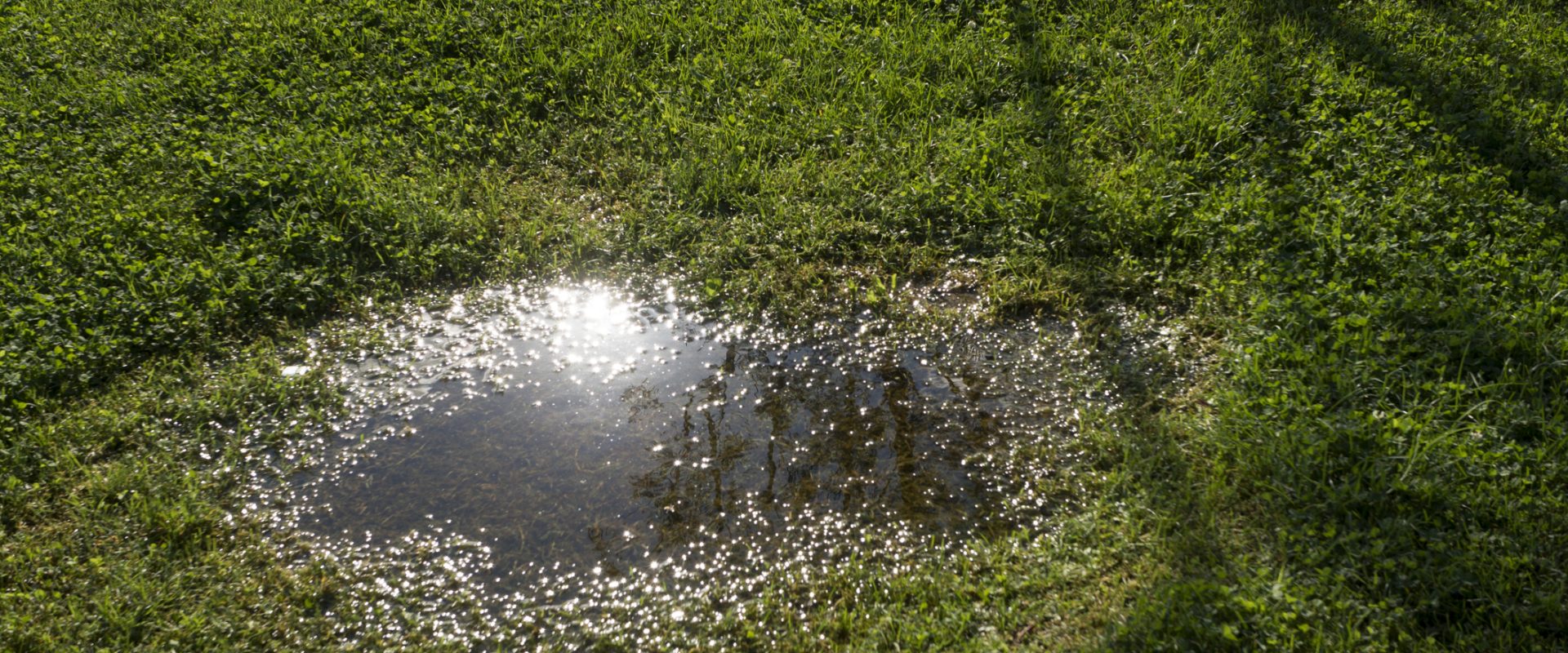
Heavy rain is a fact of life in Central Florida, but your yard shouldn’t turn into a swamp every time a storm rolls through. While some standing water is normal immediately after a downpour, persistent puddles, soggy grass, and washed-out landscaping can indicate a drainage problem that needs professional attention.
Poor drainage does more than make your yard unpleasant to use. Over time, excess water can damage your lawn, weaken plants, cause soil erosion, and even threaten your home’s foundation.
Here are seven warning signs that your property may have a drainage problem and how professional landscaping solutions can help.
Water Pools in Your Yard Long After It Rains
One of the most obvious signs of poor drainage is standing water that lingers long after a storm has passed. If certain areas of your yard consistently collect water, it may mean the ground isn’t graded properly, the soil isn’t absorbing water efficiently, or runoff has nowhere to go.
A professional landscaper can evaluate the property’s slope and identify where water is accumulating. Depending on the conditions, correcting the grading or incorporating drainage features can help redirect water away from problem areas.
Your Lawn Feels Constantly Soggy
Does your grass feel soft or spongy underfoot, even when it hasn’t rained recently? Consistently saturated soil can prevent oxygen from reaching grass roots, making it difficult to maintain a healthy lawn.
The problem isn’t always caused by rainfall. An improperly adjusted irrigation system, underground leak, or uneven grading may also be contributing to excess moisture.
A professional evaluation can help determine whether the issue involves drainage, irrigation, or a combination of both.
Grass and Plants Are Turning Yellow or Dying
Most homeowners associate yellowing grass and struggling plants with a lack of water. However, too much water can be just as damaging.
When soil remains saturated, plant roots may struggle to absorb oxygen and nutrients. Over time, this can lead to yellowing leaves, thinning grass, stunted growth, and root rot.
Replacing struggling plants without addressing the underlying moisture problem may only lead to the same results. Professional landscape planning considers soil conditions, drainage patterns, irrigation, and plant selection to create a healthier growing environment.
Soil and Mulch Keep Washing Away
If you regularly notice mulch scattered across sidewalks, exposed plant roots, or small channels forming in your landscape beds, stormwater runoff may be moving too quickly across your property.
Erosion can gradually remove valuable topsoil, damage established landscaping, and leave planting beds looking uneven or neglected.
A professional landscaping contractor can evaluate how water travels through your yard and recommend grading adjustments, landscape features, or other erosion-control measures to help keep soil and mulch where they belong.
Water Collects Near Your Home’s Foundation
Water pooling against your home’s foundation is a warning sign that shouldn’t be ignored. Poor grading or improperly directed runoff can allow water to accumulate around the structure rather than flowing safely away.
Over time, persistent moisture can contribute to foundation-related problems, water intrusion, and damage to surrounding landscaping.
A professional assessment can help identify the source of the runoff and determine what improvements are needed. Depending on the situation, this may involve grading corrections, drainage modifications, or changes to nearby landscaping.
Puddles Form Around Patios, Driveways, or Walkways
Your outdoor living areas should remain functional after a typical rainstorm. If water regularly collects on your patio, along walkways, or near your driveway, the surrounding grade or drainage may not be directing runoff properly.
In addition to creating slippery surfaces, prolonged exposure to standing water can contribute to staining, erosion around edges, and deterioration of surrounding materials.
Professionally designed hardscapes account for drainage from the beginning. For existing patios, driveways, and walkways, a landscaping professional can assess whether grading corrections or additional drainage features may help resolve the problem.
You Notice Excessive Algae, Mildew, or Mosquitoes
Persistent moisture creates conditions where algae, mildew, and mosquitoes can thrive. Green buildup on pavers, slippery walkways, or an increase in mosquitoes around standing water may all indicate that portions of your yard aren’t draining properly.
While cleaning affected surfaces or treating mosquitoes may temporarily improve the situation, these measures don’t address why water is collecting in the first place.
Identifying and correcting the underlying drainage problem can help reduce standing water and make your outdoor spaces more comfortable and enjoyable.
How Can Professional Landscaping Improve Yard Drainage?
Not every drainage problem has the same cause, which is why an effective solution starts with understanding your property.
A professional landscaper will consider several factors, including:
- Property grading: Evaluating slopes and low areas to determine how water moves across the yard.
- Soil conditions: Identifying areas where water absorption or soil compaction may be contributing to excessive moisture.
- Irrigation systems: Checking for leaks, overwatering, or improper sprinkler coverage that may be making wet areas worse.
- Drainage improvements: Determining whether grading corrections, swales, or other drainage features could help manage runoff.
- Landscape design: Planning plantings, lawn areas, and hardscapes around existing moisture conditions to help prevent future problems.
The right approach depends on your property’s layout, existing landscaping, and the source of the water. Addressing these factors together can provide longer-lasting results than treating each wet spot as an isolated problem.
Don’t Let Poor Drainage Ruin Your Landscape
Drainage problems rarely improve on their own, and ignoring them can lead to more extensive landscape damage and expensive repairs.
At Greenmasters Outdoors, we understand the challenges that Central Florida’s heavy rainfall, soil conditions, and changing weather can create for homeowners. Our experienced team considers grading, drainage, irrigation, and the overall landscape design to develop practical improvements that make your outdoor spaces more attractive and functional.
Whether you’re dealing with persistent wet spots, damaged landscaping, or planning a complete yard renovation, we’re here to help.
Contact us today to schedule a consultation and learn how professional landscaping can help protect and improve your property in Lake Mary, Orlando, and throughout Central Florida.