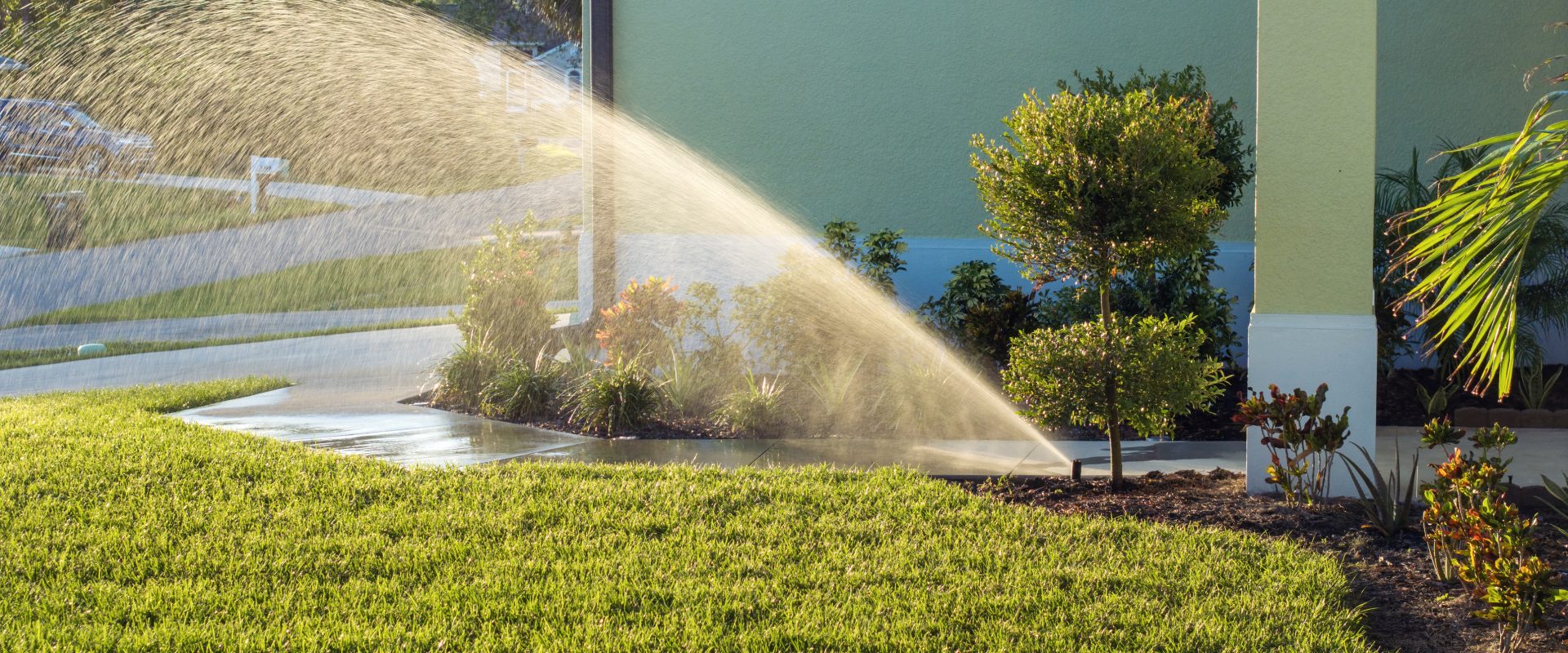
Florida’s rainy season brings welcome relief from the heat, but it can also create challenges for homeowners trying to maintain a healthy landscape. While frequent storms provide much of the moisture your lawn and plants need, irrigation systems still require attention. Without seasonal adjustments, overwatering can lead to disease, root damage, runoff, and unnecessarily high water bills.
Adjust Your Irrigation Schedule
One of the biggest mistakes homeowners make during the rainy season is leaving their irrigation controller on the same schedule used during dry weather. As rainfall increases, your lawn typically needs less supplemental watering.
Rather than watering on a fixed schedule, pay attention to recent rainfall and soil moisture levels. If the ground is still damp several inches below the surface, additional watering is usually unnecessary. Making small adjustments throughout the season can help prevent oversaturation and promote healthier root growth.
Make Sure Your Rain Sensor Is Working
Rain sensors are designed to pause irrigation after sufficient rainfall, but they don’t always get checked after installation. A malfunctioning sensor can allow your sprinklers to run during or immediately after a storm, wasting water and potentially harming your landscape. A quick inspection to ensure the sensor is clean, unobstructed, and communicating properly with the controller can save significant water throughout the season.
Check for Irrigation Issues
Heavy summer rains often reveal irrigation problems that may go unnoticed during drier months. Walk your property periodically and look for signs of uneven coverage, pooling water, broken sprinkler heads, or overspray onto sidewalks and driveways. Even minor issues can reduce efficiency and create wet areas that encourage fungal growth and turf stress.
Watch for Signs of Overwatering
Many lawn problems that appear during the rainy season are caused by too much water rather than too little. If you notice yellowing grass, persistent wet spots, mushrooms, or thinning turf, your irrigation schedule may need to be reduced. Healthy lawns need a balance of moisture and oxygen in the soil. When the ground remains saturated for long periods, roots struggle to access the oxygen they need to thrive.
Don’t Ignore Drainage Problems
If water consistently stands in certain areas of your yard after storms, poor drainage may be contributing to landscape issues. Standing water can damage turf, weaken root systems, and create ideal conditions for pests and disease. Addressing drainage concerns early can prevent long-term damage and improve the overall health of your landscape.
Schedule a Seasonal Irrigation Inspection
The rainy season is an ideal time to evaluate your irrigation system’s performance. A professional inspection can identify leaks, programming issues, coverage problems, and other inefficiencies that may be increasing water usage or affecting plant health.
Florida’s rainy season doesn’t eliminate the need for irrigation management. It simply changes how your system should operate. By adjusting your watering schedule, monitoring system performance, and addressing drainage concerns, you can keep your lawn and landscape healthy while conserving water throughout the wet season. If your irrigation system hasn’t been inspected recently, we can can help ensure it’s operating efficiently and supporting a healthy, attractive landscape year-round. Contact us today!